Iowa Gamma
Know someone who would feel at home in this chapter? Let us know by submitting a Recruitment Information Form (RIF)!
Submit a RIF
Our Roots
Iowa Gamma was first chartered in 1877 when Mary Carpenter, an Iowa State University (ISU) student, met Iowa Beta Elizabeth Cook, and the two decided to organize a chapter at ISU. The chapter went dormant in 1894 when fraternities were banned on campus, but was reinstalled in 1906 when a local society, Iota Theta, became the Iowa Gamma Chapter. Installation took place at the home of Olive Wilson Curtis, which is now the historic and restored FarmHouse museum on campus.Collegiate Chapter Leadership
-
Ella Berns
Chapter President
-
Averie Bruner
Director Member Finances
-
Miah Burch
Director Social Events
-
Sydney Ford
Director Service and Philanthropy
-
Ava Frost
Vice President Finance/Housing
-
Rachel Gass
Panhellenic Delegate
-
Rylie Greazel
Director Academics
-
Natalie Hall
Director Recruitment Events
-
Natalie Holmes
Director Membership Selection
-
Tara Huisman
Director Housing
-
Ava Jones
Vice President Recruitment
-
Erinn Kocourek
Director Community Inclusion
-
Rachel Landers
Director PR/Marketing
-
Mackenzie Linzmeier
Vice President Community Relations
-
Lilly Pertzborn
Vice President Inclusion
-
Macy Schulte
Director Policy and Prevention Education
-
Madeline Stone
Vice President Risk Management
-
Sophia Swanson
Director New Member Experience
-
Rachel Voelker
Vice President Member Experience
-
Kayla Weisgerber
Director Lifelong Membership
-
Eden Wirtz
Director Member Conduct
-
Isabel Wolf
Director Leadership
Supporting Sisters’ Dreams
Chapter-specific scholarship funds support collegiate chapter members as they pursue their academic dreams and professional goals. By giving to a scholarship fund, donors can directly impact their own chapter sisters and open doors that might not have been possible otherwise.

Building Leaders Who Shine
Chapter Leadership Education Expendable (CLEE) funds directly empower our sisters’ leadership journeys, helping eliminate financial barriers to leadership development opportunities for both chapter leaders and individual members. Giving to a CLEE fund allows donors to support the chapters they love while lighting the way for future leaders.
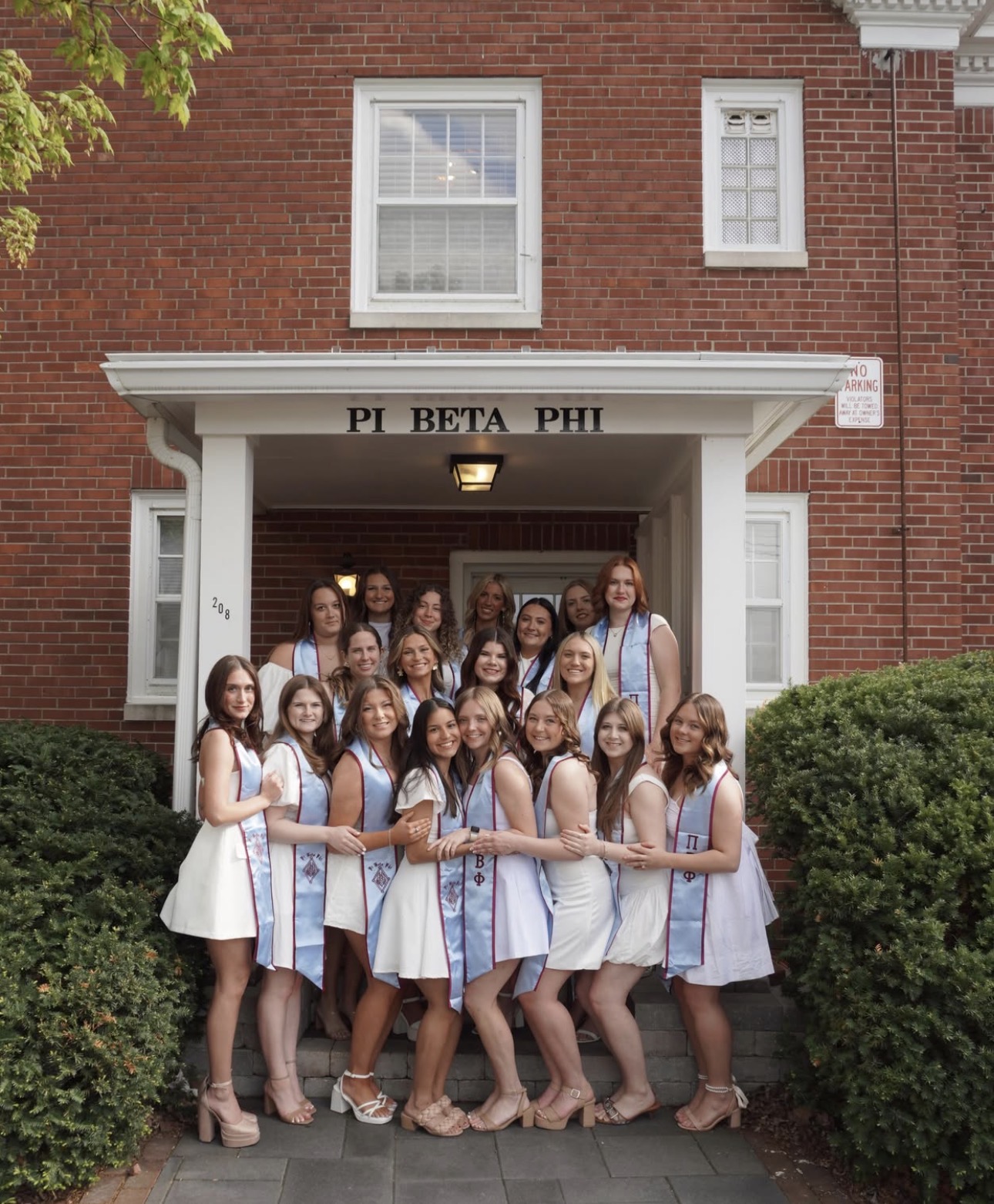
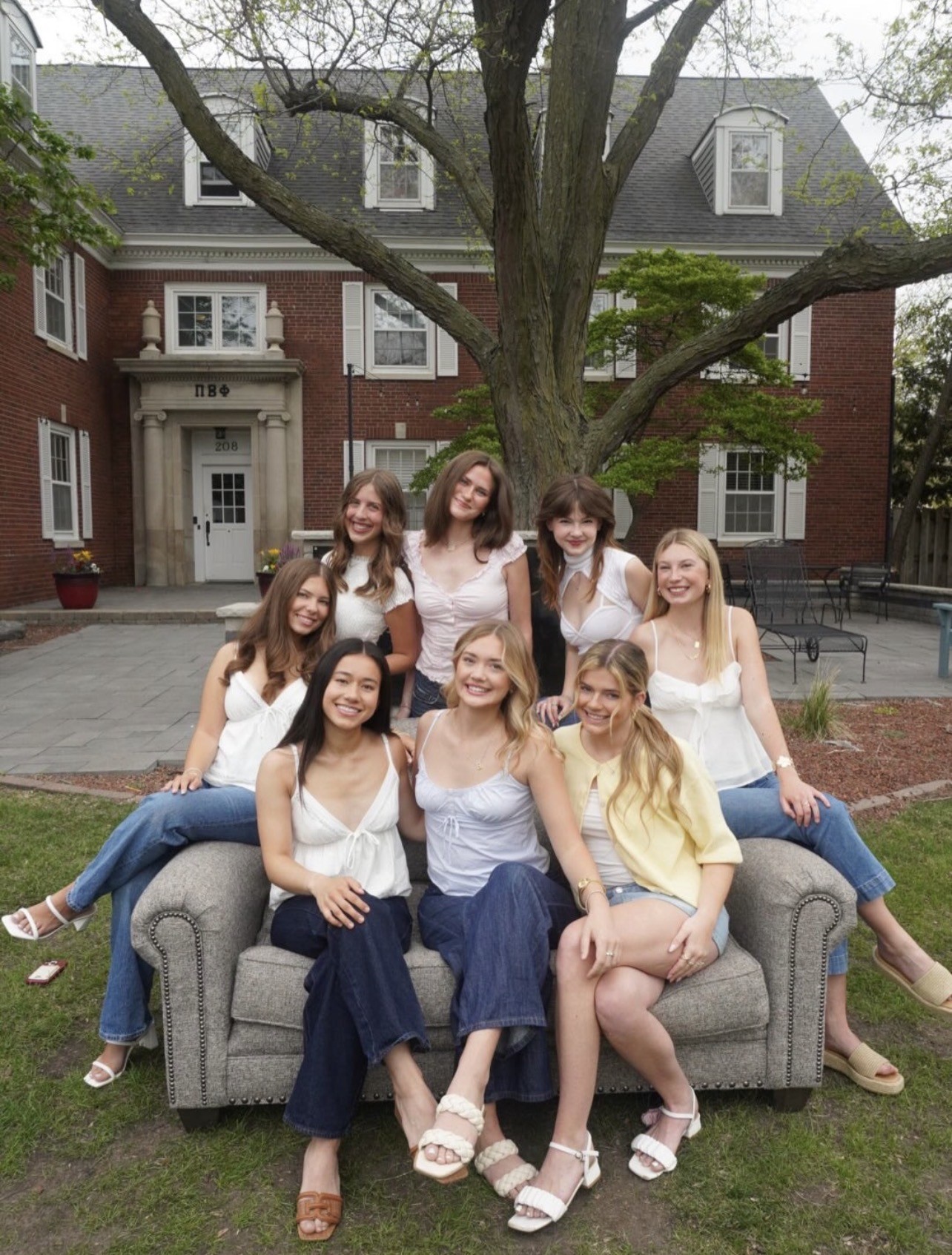
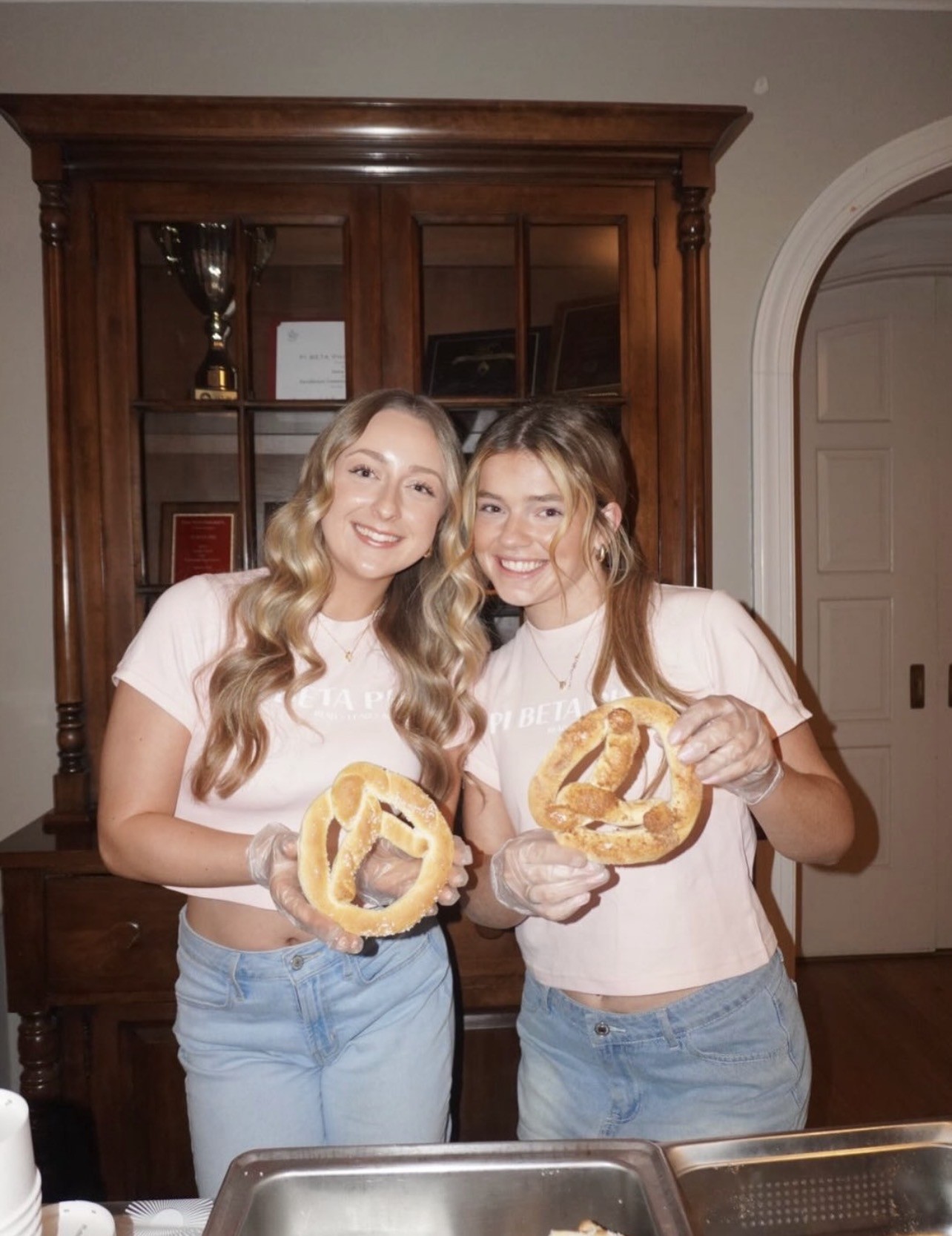
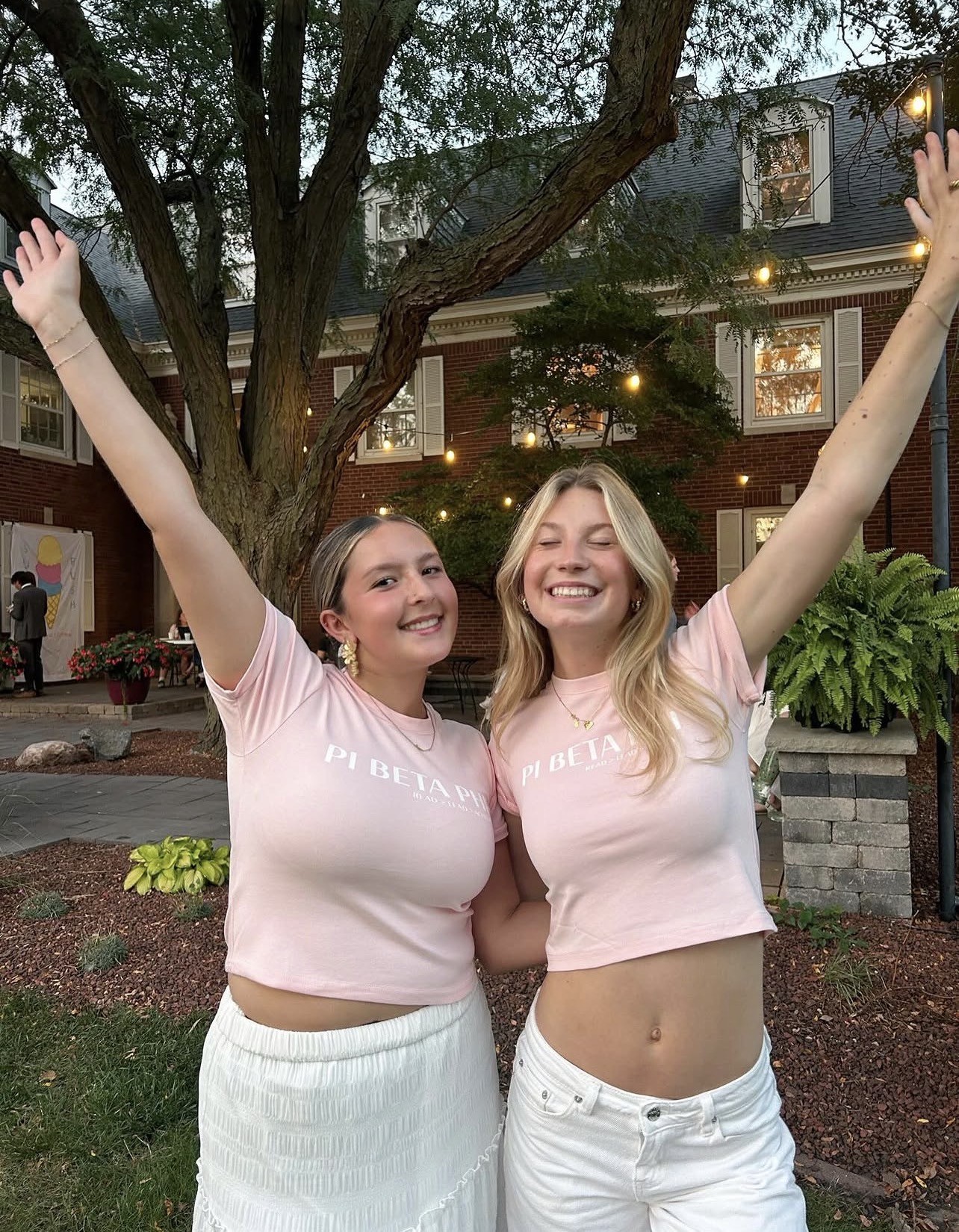
When you're with her, you’re home
Pi Phi chapter facilities are where friendships take root, leaders find their voice and sisterhood shines across generations. From memories made over shared meals to the built-in support from late-night study sessions and knowing your sisters are there in both the big and small moments, living in a chapter facility creates a sense of home and belonging within every wall.
Notable Chapter Alumnae
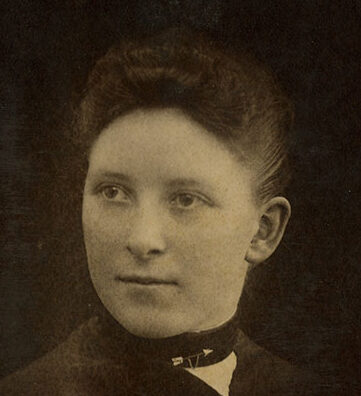
Elmina Wilson
Civil Engineer
Elmina Wilson
Civil Engineer
Elmina Wilson was an engineer, educator and architect who broke new ground for women in the engineering profession. She and her sister, Iowa Gamma Alda Wilson, were the first American women to earn a Bachelor of Science degree in civil engineering and later earned the first master’s degree in the field. She also became the first woman professor to teach engineering at Iowa State University. Elmina moved to New York City In 1904, where she worked on a variety of engineering and architectural projects. Her work included contributions to two of the era’s most notable skyscrapers, the Flatiron Building and the Metropolitan Life Insurance Tower. She also collaborated with the U.S. Department of Agriculture on publications, including the widely distributed brochure “Modern Conveniences for the Farmhouse.” Alongside her sister, Elmina co-designed the Teachers Cottage at the Pi Beta Phi Settlement School.
Elmina was initiated in 1888.
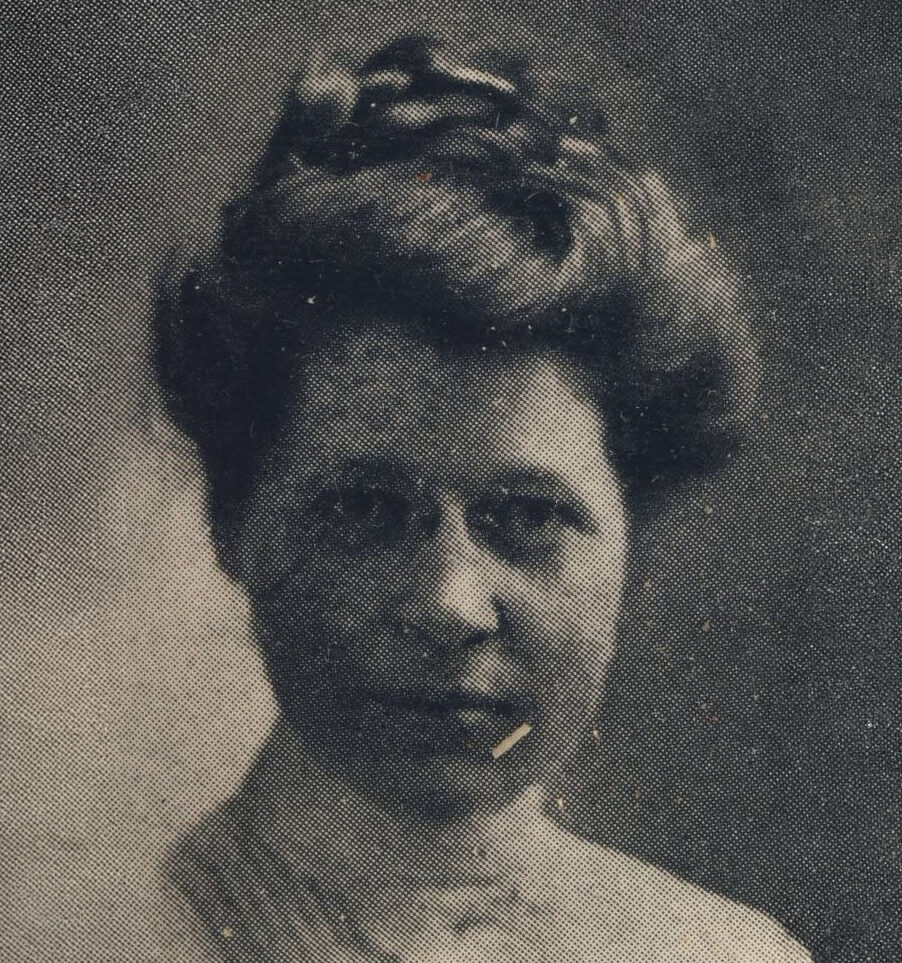
Alda Wilson
Architect and Civil Engineer
Alda Wilson
Architect and Civil Engineer
Alda Wilson, along with her sister, Iowa Gamma Elmina Wilson, became the first American women to practice civil engineering after earning a four-year degree. At a time when few women entered the profession, she built a career spanning engineering, architecture and public service. She worked as a freelance architect in Illinois, Iowa and Missouri before moving to New York and working there for over a decade. Alda later became the first woman to supervise the women’s drafting department of the Iowa Highway Commission, further breaking barriers in a traditionally male field. She also co-designed the Teachers Cottage at the Pi Beta Phi Settlement School with her sister. In her later years, she worked closely with suffragist Carrie Chapman Catt, serving as her secretary and traveling companion.
Alda was initiated in 1890.

Christine Romans
Broadcast Journalist and Author
Christine Romans
Broadcast Journalist and Author
Christine Romans is a broadcast journalist and author known for making business, economic and personal finance news accessible to a broad audience. She has held leading reporting roles at major news organizations, including NBC News, CNN, Reuters and Knight Ridder Financial News. As a business correspondent and anchor, she covered economic trends, financial markets and consumer issues for national audience. Christine is also the author of several books on financial literacy and money management, including “Smart is the New Rich: If You Can’t Afford It, Put It Down,” “How to Speak Money: The Language of Knowledge You Need to Know” and “Smart is the New Rich: Money Guide for Millennials.”
Christine was initiated in 1990.
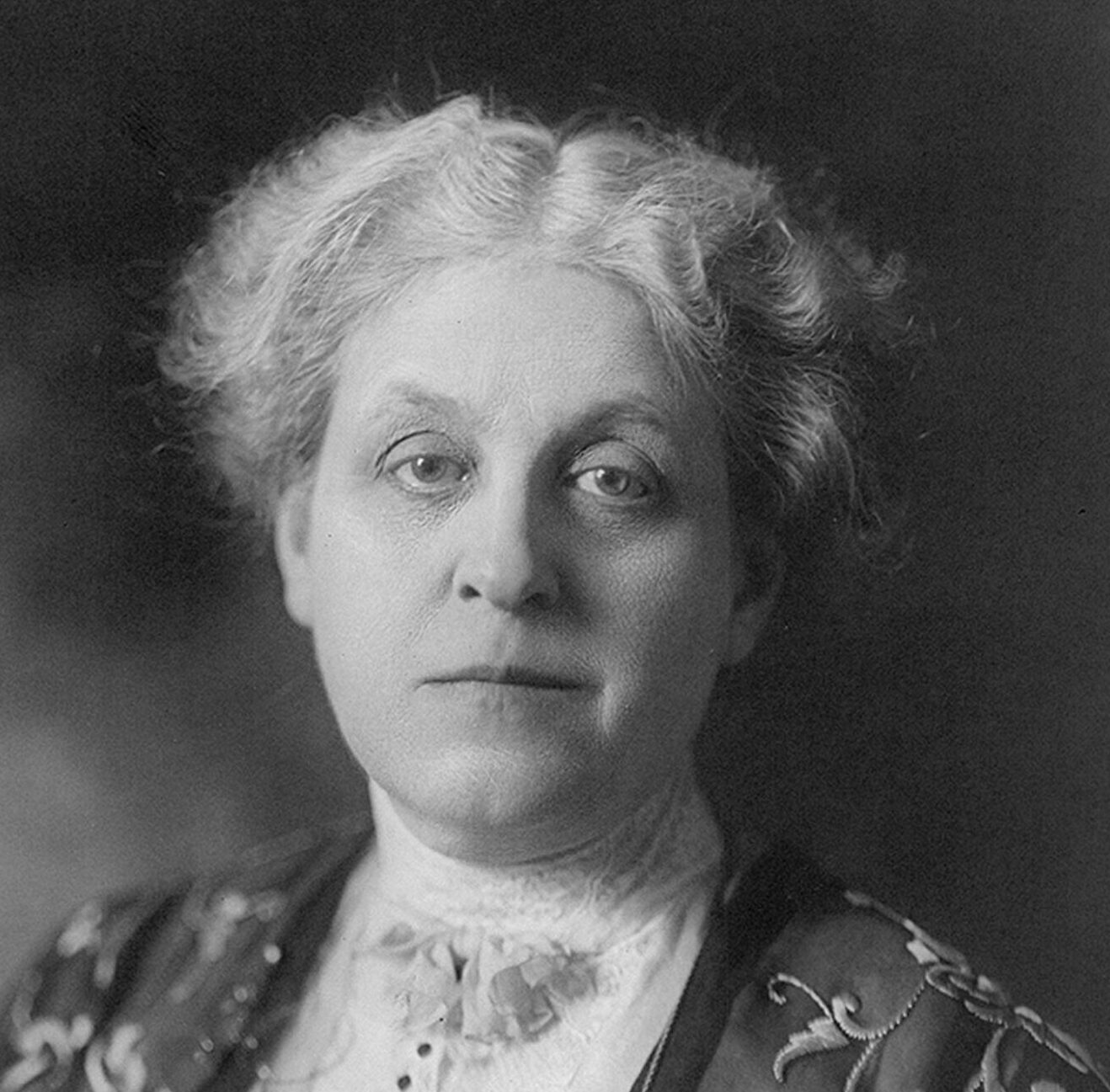
Carrie Chapman Catt
Suffragist and Civic Leader
Carrie Chapman Catt
Suffragist and Civic Leader
Carrie Chapman Catt is one of the most consequential women’s rights leaders of the twentieth century. After earning her bachelor’s degree, she began her career as a teacher, later becoming one of Iowa’s first female superintendents. Carrie joined the women’s suffrage movement in the late 1880s and quickly rose to national prominence as one of its most gifted organizers and strategists. She succeeded Susan B. Anthony as president of the National American Woman Suffrage Association in 1900 and developed the “Winning Plan”—a state and federal campaign strategy that was instrumental in the passage of the Nineteenth Amendment, which extended voting rights to millions of American women when ratified in 1920.
Carrie served as president of the International Woman Suffrage Alliance, carrying the cause of women’s political rights to audiences around the world. In 1920, she founded the League of Women Votes to educate newly enfranchised women and encourage informed civic participation. Carrie advocated for democracy and equal rights throughout her life and was inducted into the National Women’s Hall of Fame in 1982.
Carrie was initiated in 1878.